Why commercial markets are adopting cargo tricycles
Electric cargo tricycles fit short-distance work where compact dimensions, low-speed maneuverability and simple loading matter. For distributors, the opportunity spans delivery, agriculture, wholesale markets, factories and municipal support. The buying decision should be based on the duty cycle and service model—not only the factory price.
1. Define the intended application
Map what the vehicle will carry, the average and maximum load, daily distance, number of stops, road surface, gradient and operating temperature. Urban delivery may prioritize weather protection and maneuverability; farms often prioritize open beds, suspension and traction; industrial sites need predictable shift range and parts support.
2. Select payload and motor power together
Rated payload is only one part of the system. Motor output, axle, braking, tires, vehicle weight and gradient must be evaluated together. Repeated overloading raises heat and mechanical stress. Send the supplier a realistic loaded route rather than asking for the largest motor by default.
3. Compare body and cabin formats
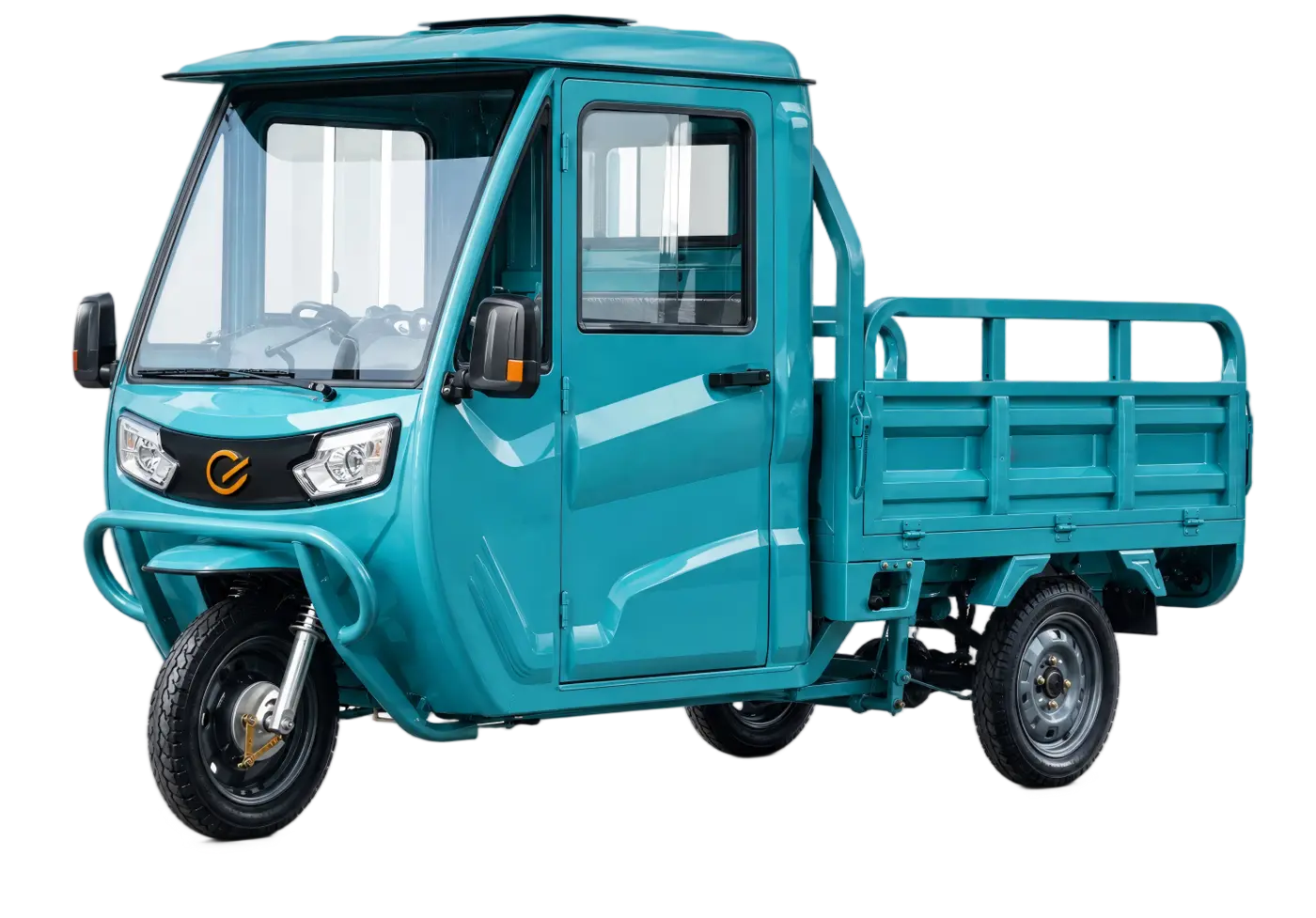
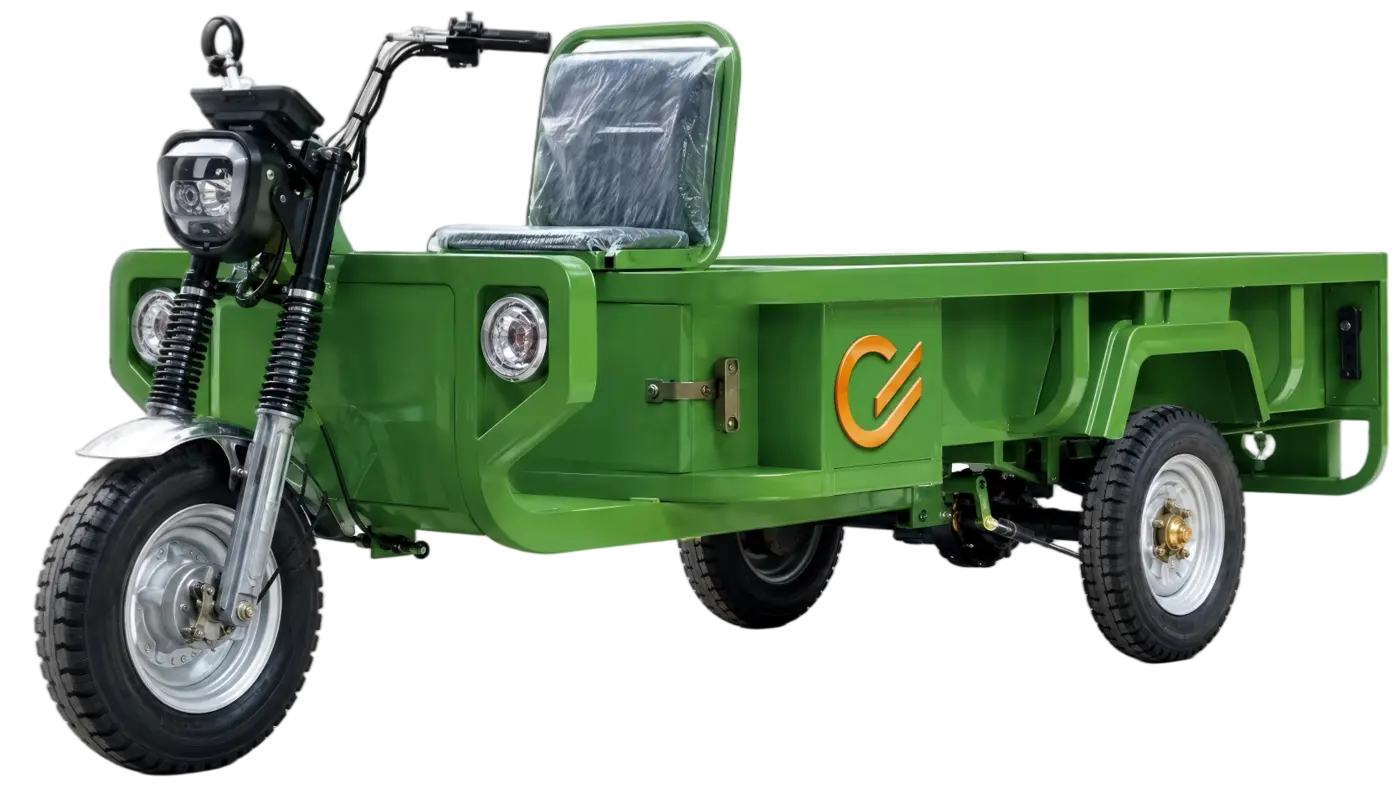
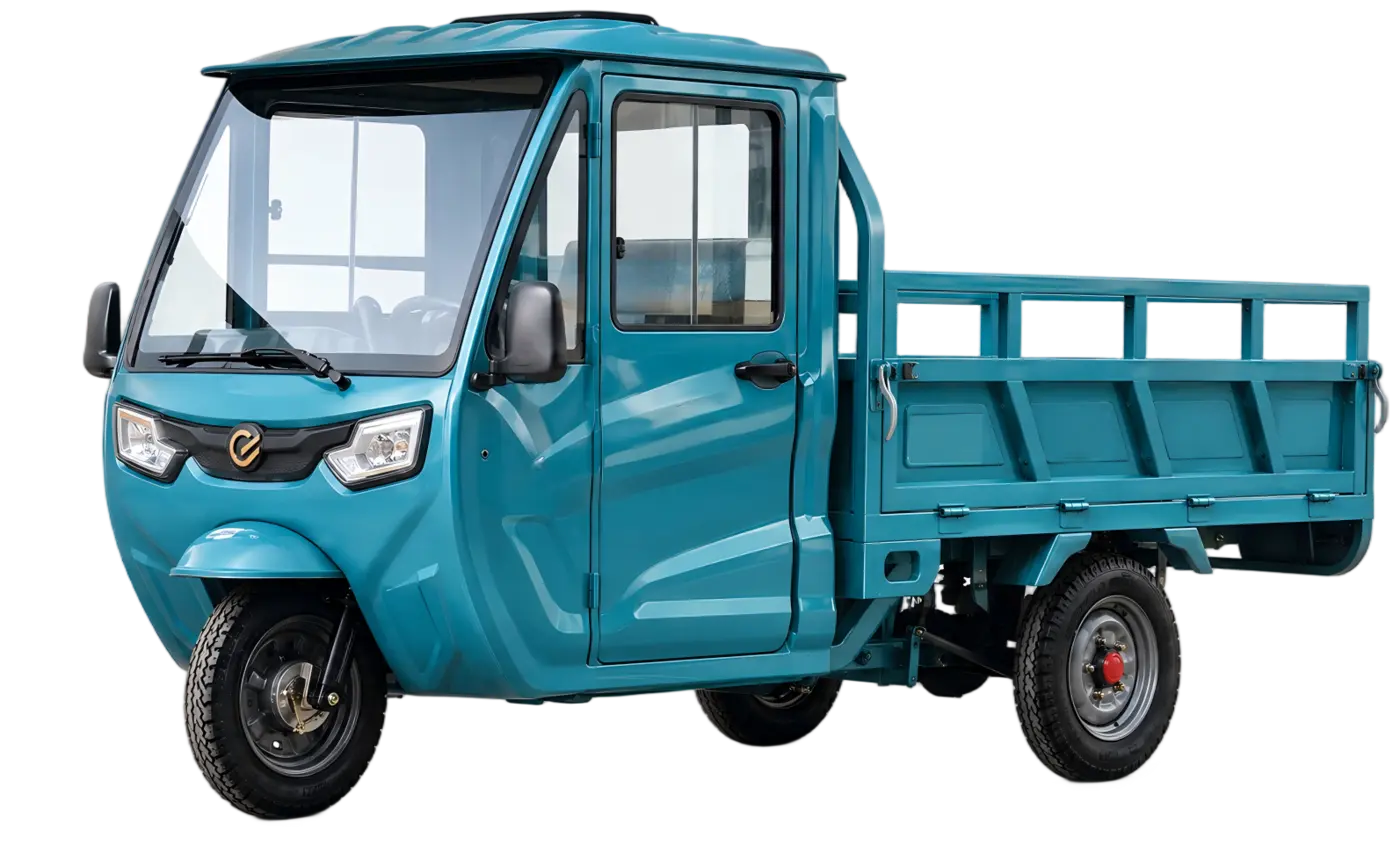
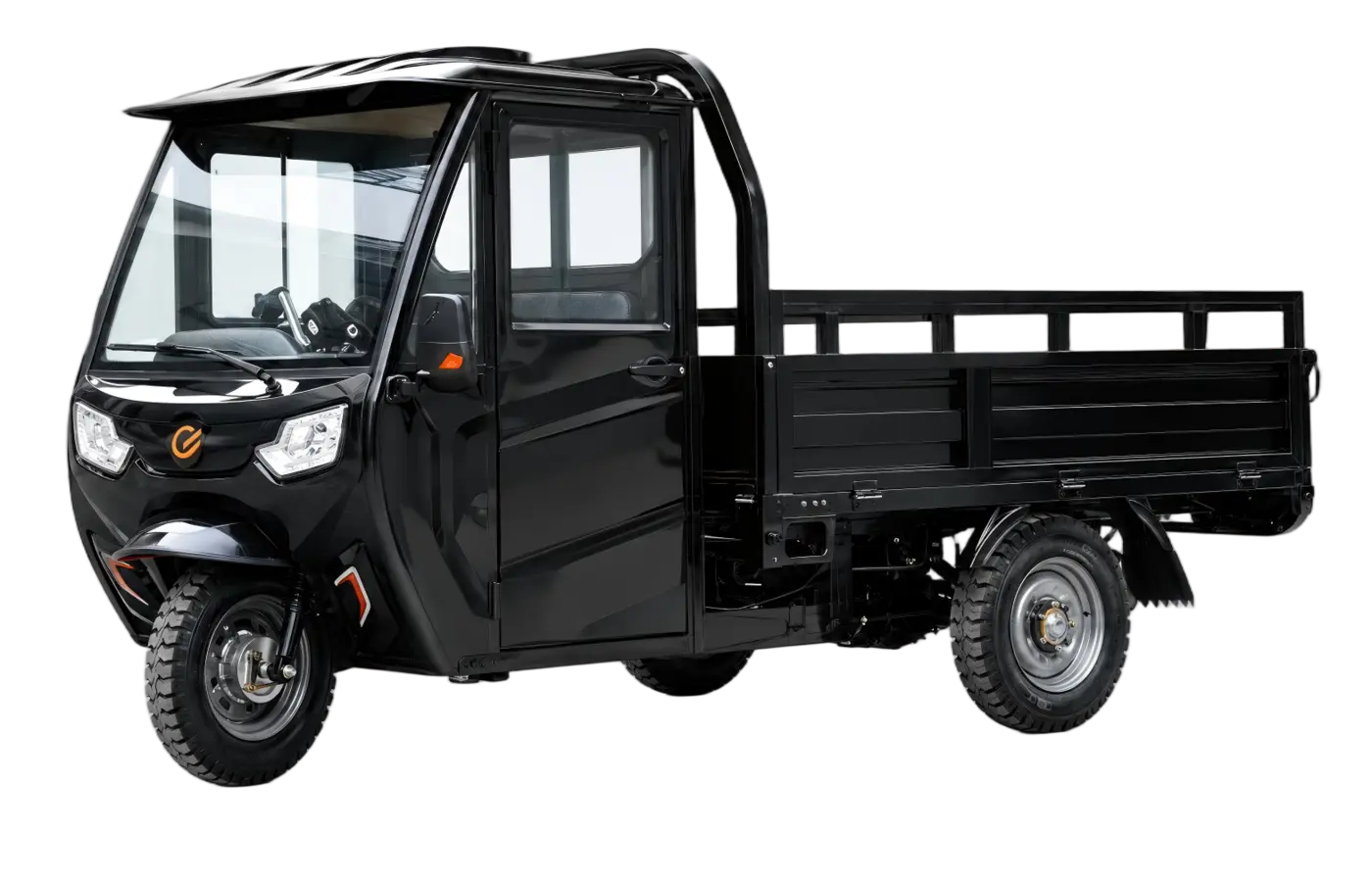
Open cargo beds simplify loading and suit farms and markets. Enclosed cabins improve driver protection. Enclosed delivery bodies protect parcels and provide branding space. Heavy-duty platforms add stronger axles and brakes but may reduce container density.
4. Evaluate battery and charging
Daily mileage, payload, temperature, topography and charging time determine battery requirements. Confirm voltage, capacity, chemistry, charger input, BMS, warranty and replacement availability. Published range should be checked against the proposed duty cycle.
5. Review chassis, brakes and after-sales support
Ask for frame, suspension, rear axle and braking specifications. A distributor also needs consumable parts, wiring information, service documentation, warranty procedures and technician training. A broad catalog has limited value without repeatable parts support.
6. Choose CBU, SKD or CKD
CBU offers the simplest launch. SKD can improve shipping density but requires controlled assembly. CKD suits higher volume and stronger local capability. Confirm packing lists, tools, quality checks and technical support before choosing.
Distributor quotation checklist
Prepare country, target application, payload, daily distance, gradient, climate, charging supply, preferred body, annual volume, assembly capability and homologation requirements. This information enables a useful quotation and reduces costly reconfiguration.
Relevant OASIS vehicles
Use these confirmed product pages to compare visible specifications. Final configuration remains subject to route, market and order requirements.