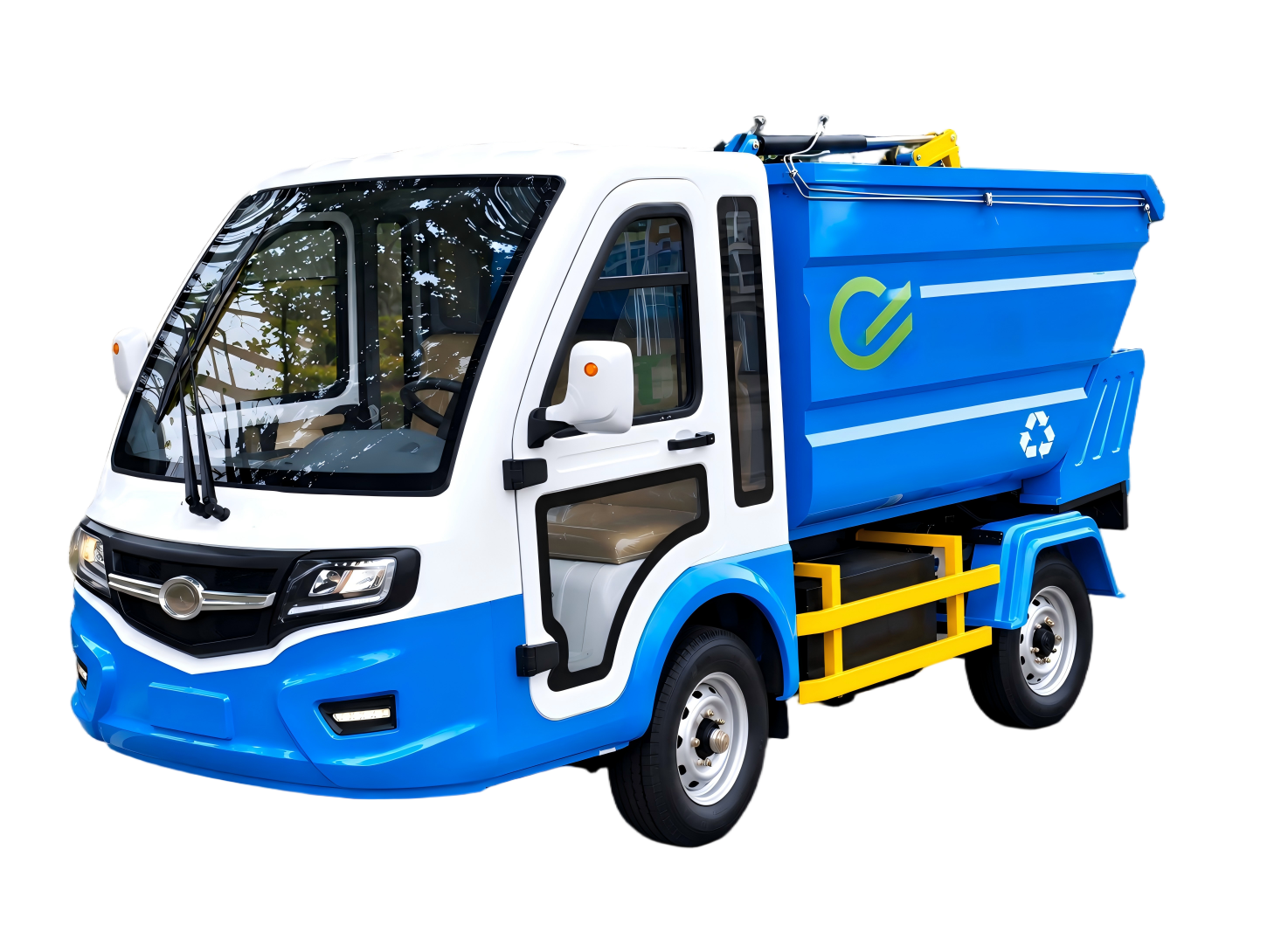
Why compact electric waste vehicles
Communities, parks, campuses, pedestrian areas and markets often need quiet, compact vehicles with frequent stops and short return-to-base routes.
Collection versus transfer
Collection vehicles prioritize access, loading and repeated neighborhood stops. Transfer vehicles move larger volumes toward a central point. These functions require different bodies, payloads and hydraulic systems.
Key specifications
Municipal buyers should review body volume, payload, lift interface, turning space, gradeability, washability, corrosion protection, range, charging and brake performance.
OASIS application examples
EU210 Waste is a compact collection platform with a 350 kg rated payload and 100–120 km stated range. EU300 Waste Transfer uses a 3.0 m³ body and 1200 kg rated payload for higher-capacity transfer work.
Procurement checklist
Define bin type, loading method, route width, daily stops, waste density, washdown practice, shift distance, charging location, climate and local maintenance capability.
Relevant OASIS vehicles
Use these confirmed product pages to compare visible specifications. Final configuration remains subject to route, market and order requirements.
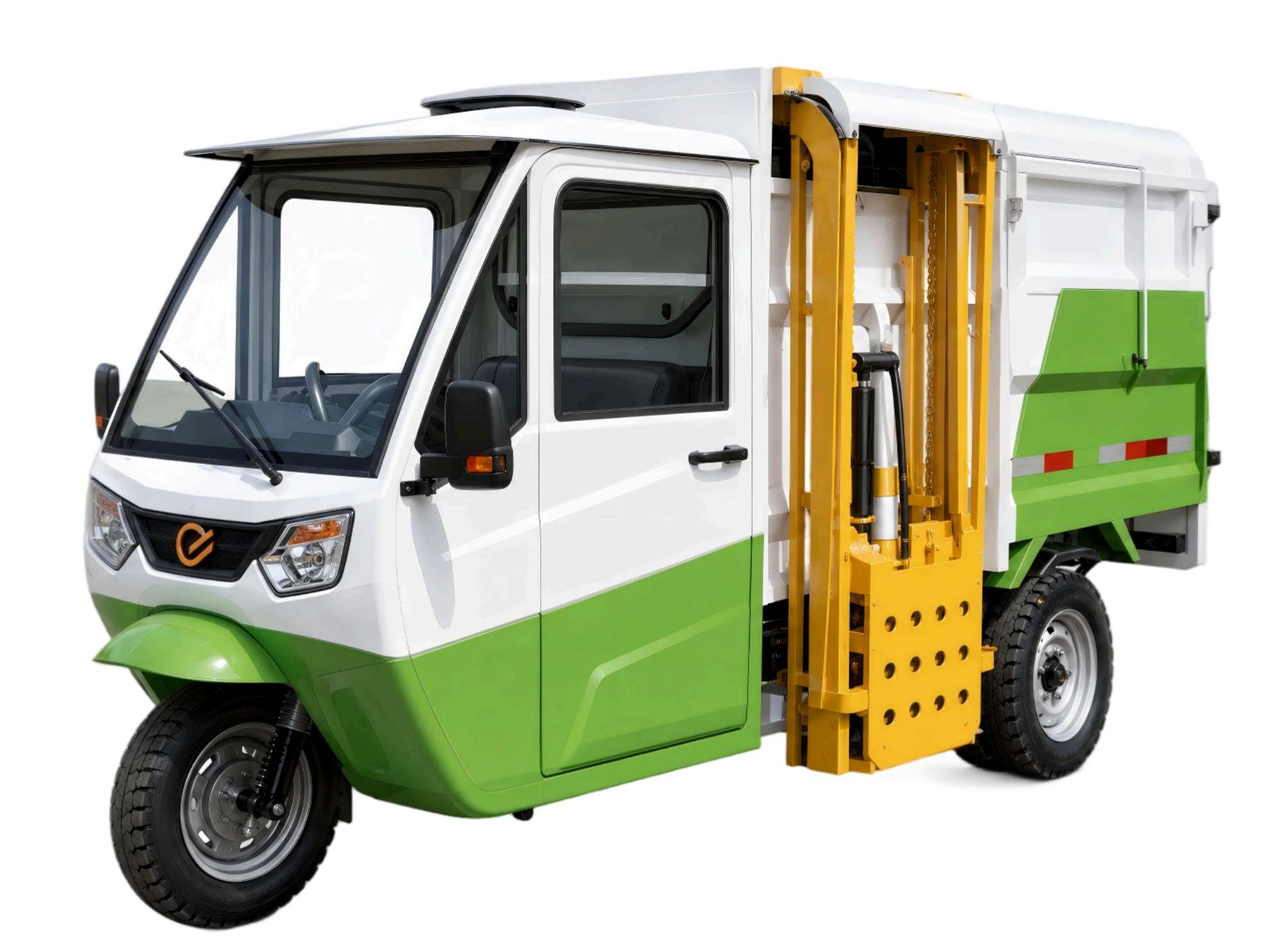
EU210 Waste
View specifications ↗