Why payload and motor power must be selected together
A motor does not operate independently from the battery, controller, gearing, axle, tires and brakes. The same nominal motor can perform differently on a light urban route and a steep, fully loaded rural route.
What rated payload means
Rated payload is the cargo the configured vehicle is designed to carry under stated conditions. It is not the total vehicle weight, and it should not be treated as a permanent overload allowance. Consistent overloading can shorten tire, bearing, brake and battery life.
Light, medium and heavy-duty routes
Light work usually means flat roads, short mileage and moderate stop frequency. Medium-duty work adds longer shifts or regular full loads. Heavy-duty selection must account for hill starts, rough roads, heat, braking and axle strength—not just wattage.
Why more power is not always better
Higher motor output can require a larger controller and battery and may increase energy use, weight and cost. The correct goal is a balanced vehicle that meets the route with an appropriate operating margin.
Selection checklist
Record maximum payload, cargo dimensions, gradient, road surface, daily distance, stop frequency, desired speed, temperature, charger input and shift pattern. Ask the manufacturer to confirm the complete matched configuration.
Relevant OASIS vehicles
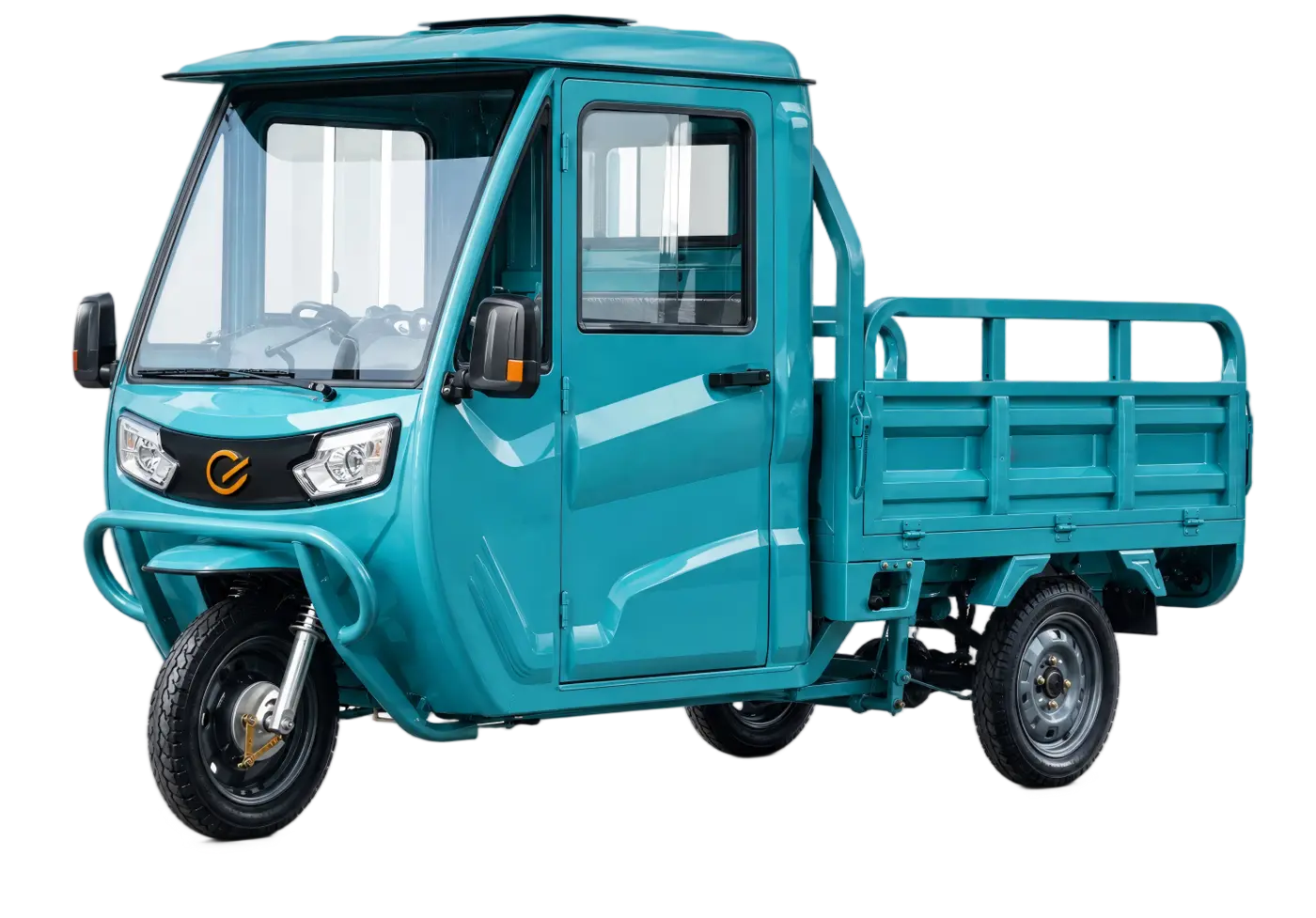
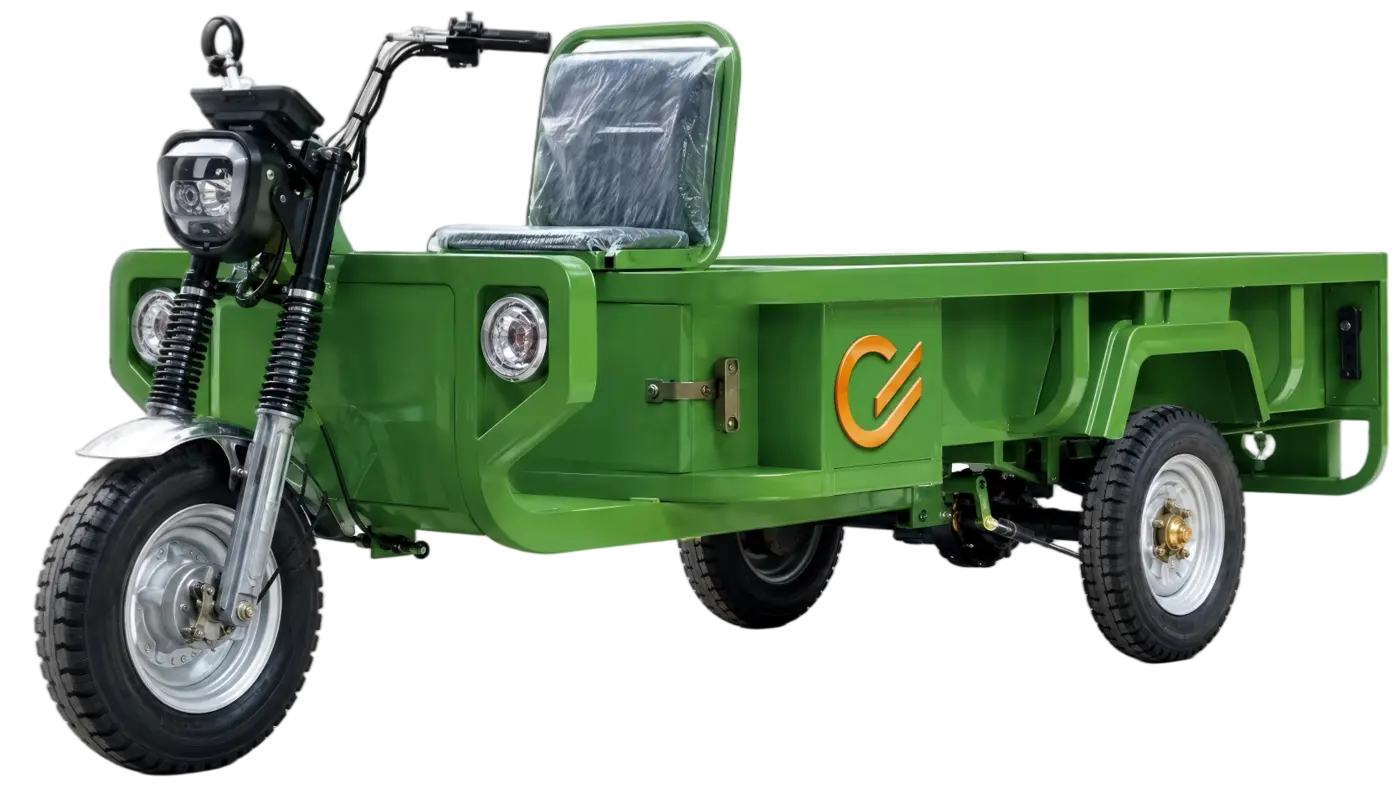
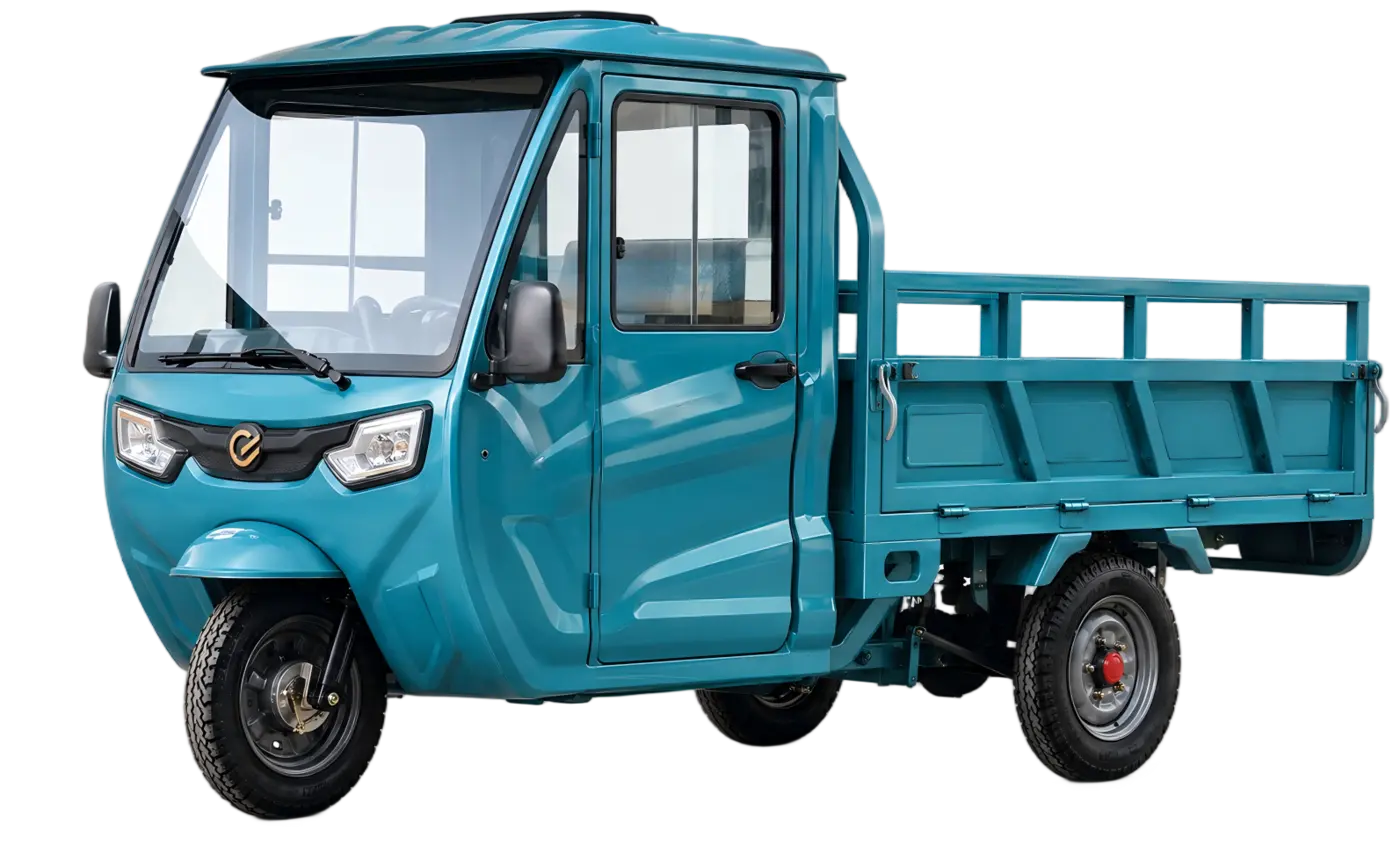
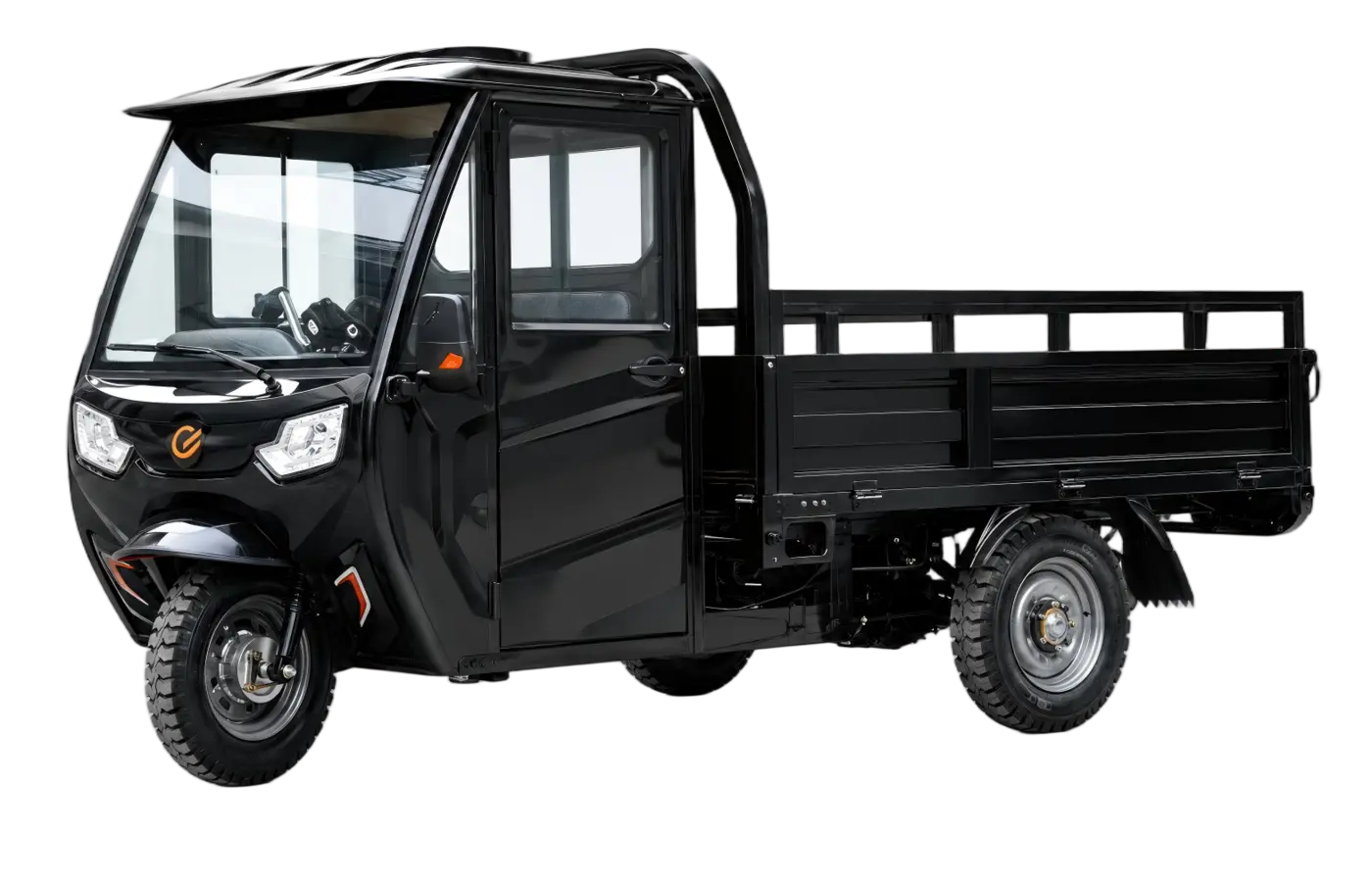
Use these confirmed product pages to compare visible specifications. Final configuration remains subject to route, market and order requirements.