1. Identify the target market
Choose priority applications: cargo logistics, delivery, agriculture, municipal work or passenger transport. Interview real fleet operators before selecting inventory.
2. Study regulations
Confirm import classification, homologation, registration, driver licensing, road access, battery transport and product labeling with qualified local advisers.
3. Choose an initial range
Start with a focused set that covers clear use cases and shares service parts where possible. Samples and pilot orders help validate pricing, route fit and customer feedback.
4. Evaluate the manufacturer
Review product breadth, specification control, production coordination, technical documents, parts, warranty handling and export support. Verify claims model by model.
5. Build after-sales capability
Prepare spare-parts stock, technician training, battery replacement, diagnostic tools, warranty processes and customer response times before scaling sales.
6. Plan CBU, SKD or CKD
Match the supply format to volume and local capability. Do not move into CKD until assembly, QC, traceability and tooling are ready.
7. Develop sales channels
Target dealers, fleets, farms, logistics companies, industrial parks and municipal projects with application-specific demonstrations and total-cost calculations.
What to include in your inquiry
Send country, company background, target applications, expected annual volume, preferred models, assembly capability and certification requirements. OASIS can then evaluate a structured cooperation path.
Relevant OASIS vehicles
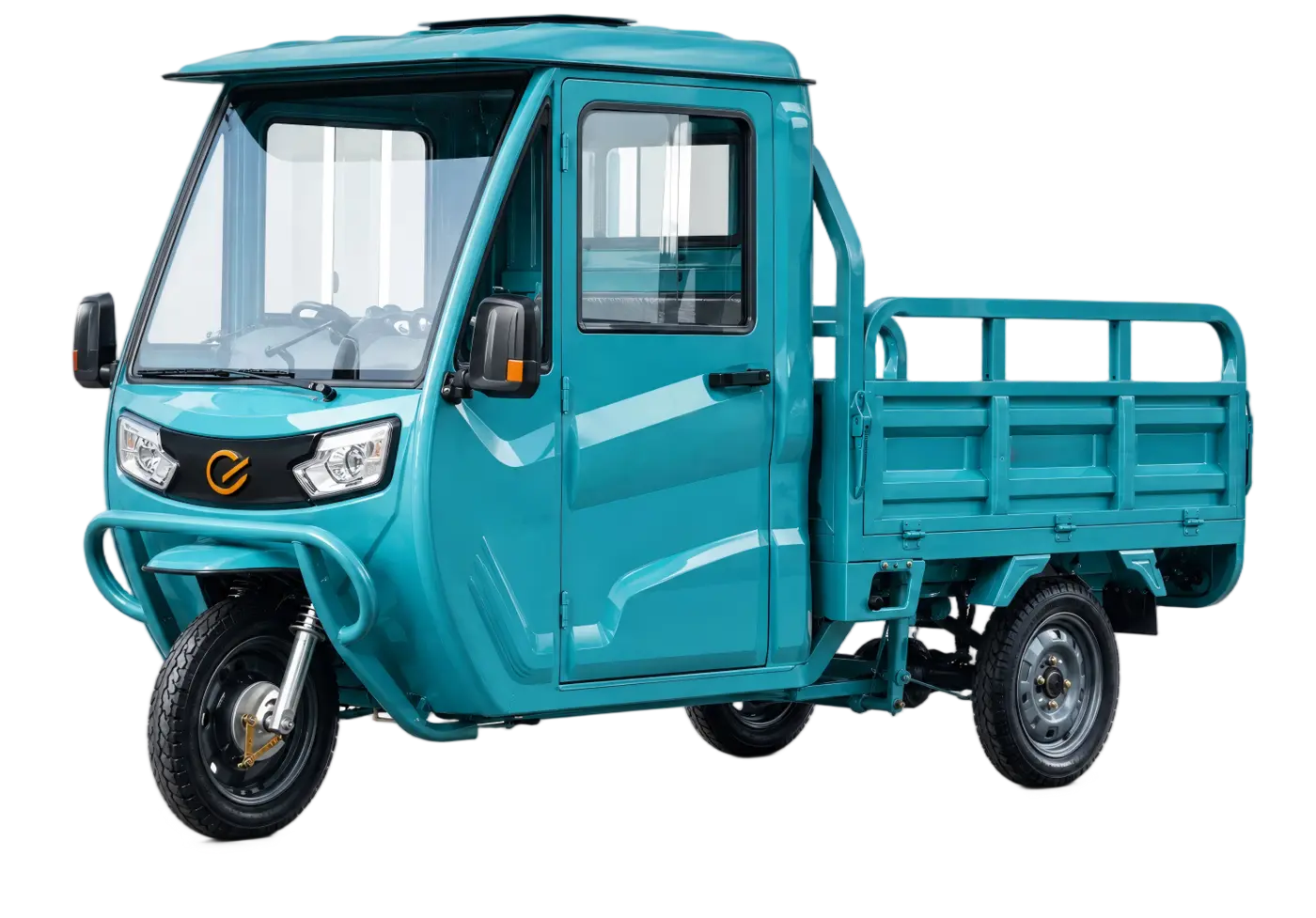
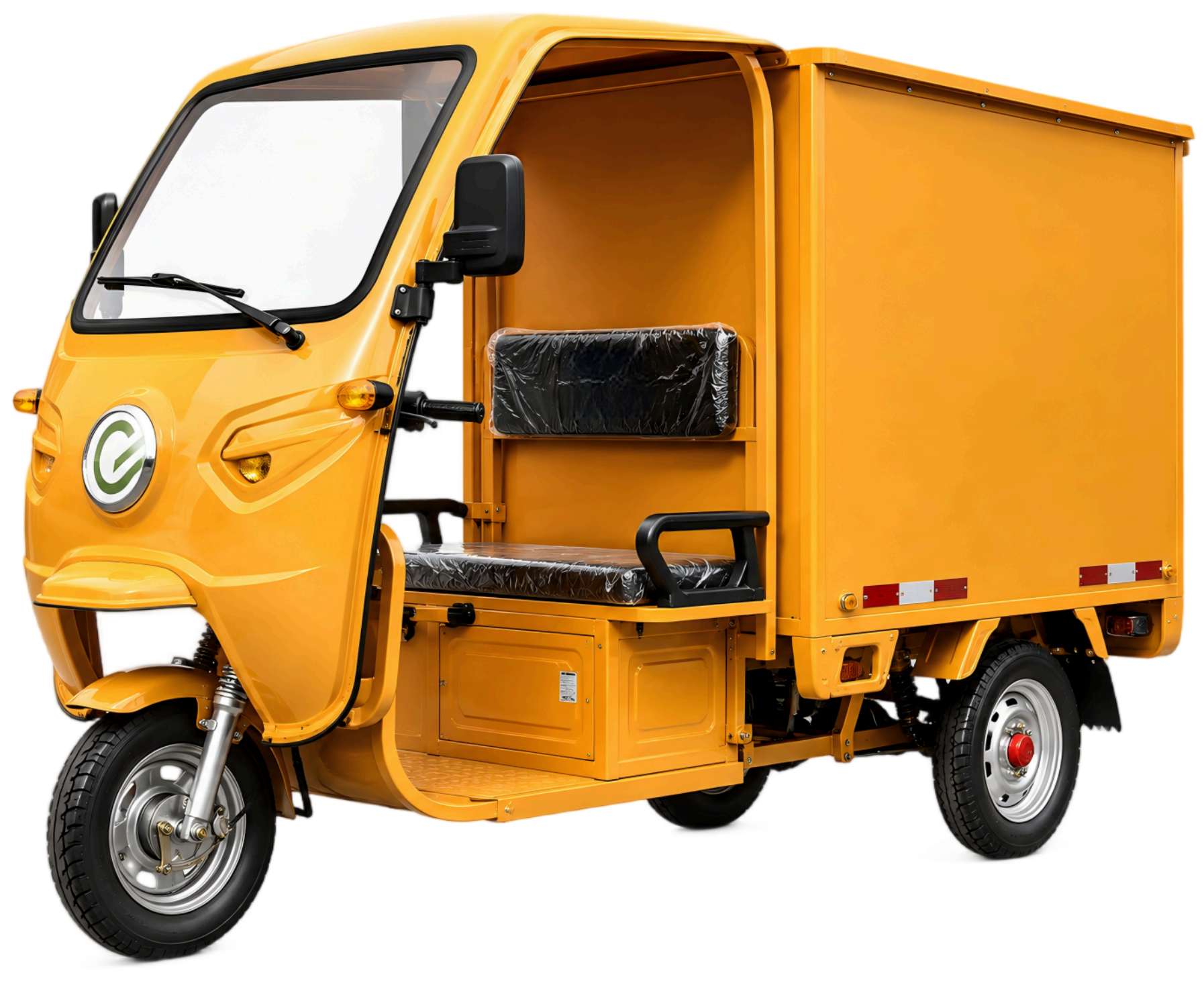
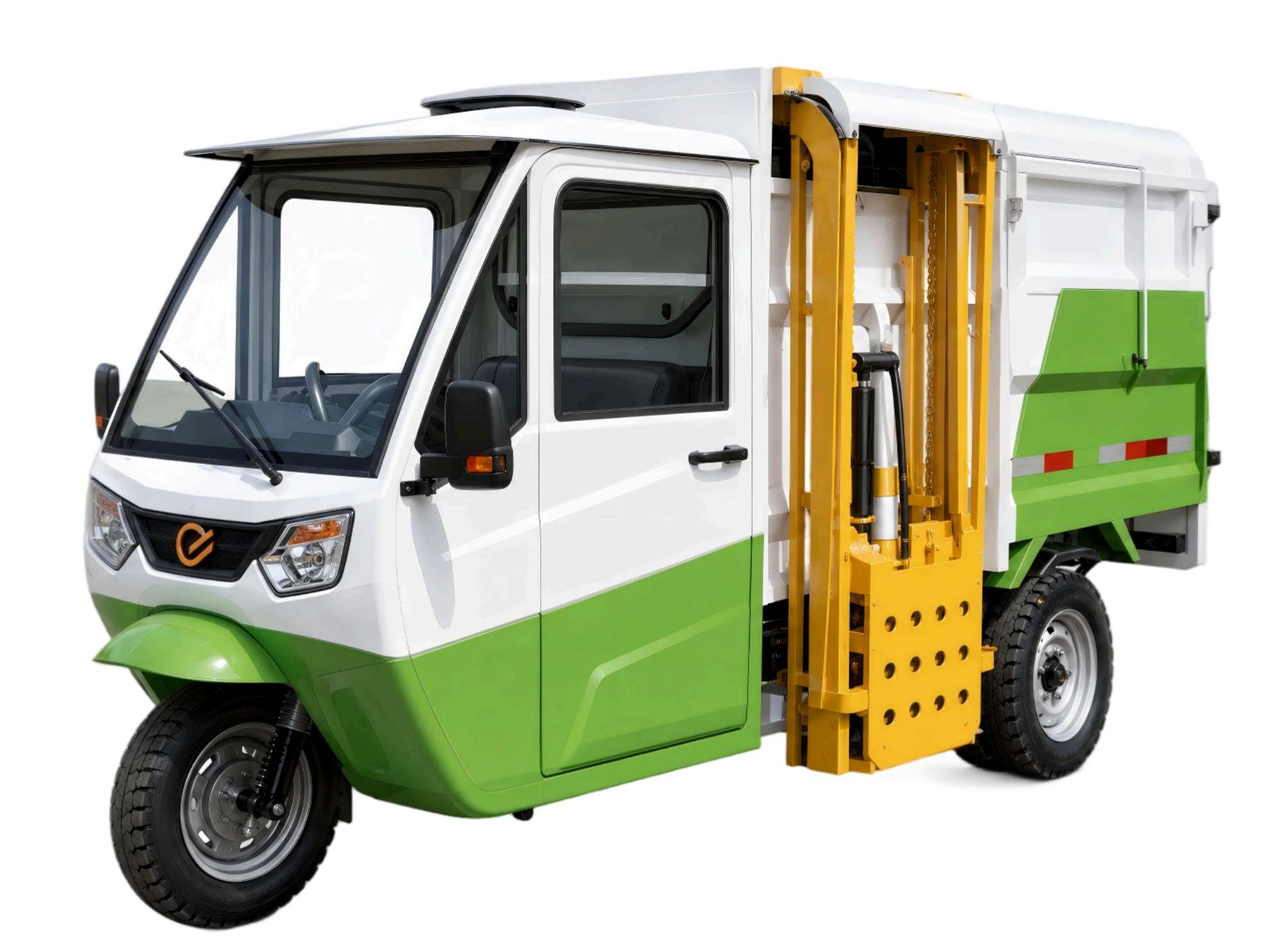
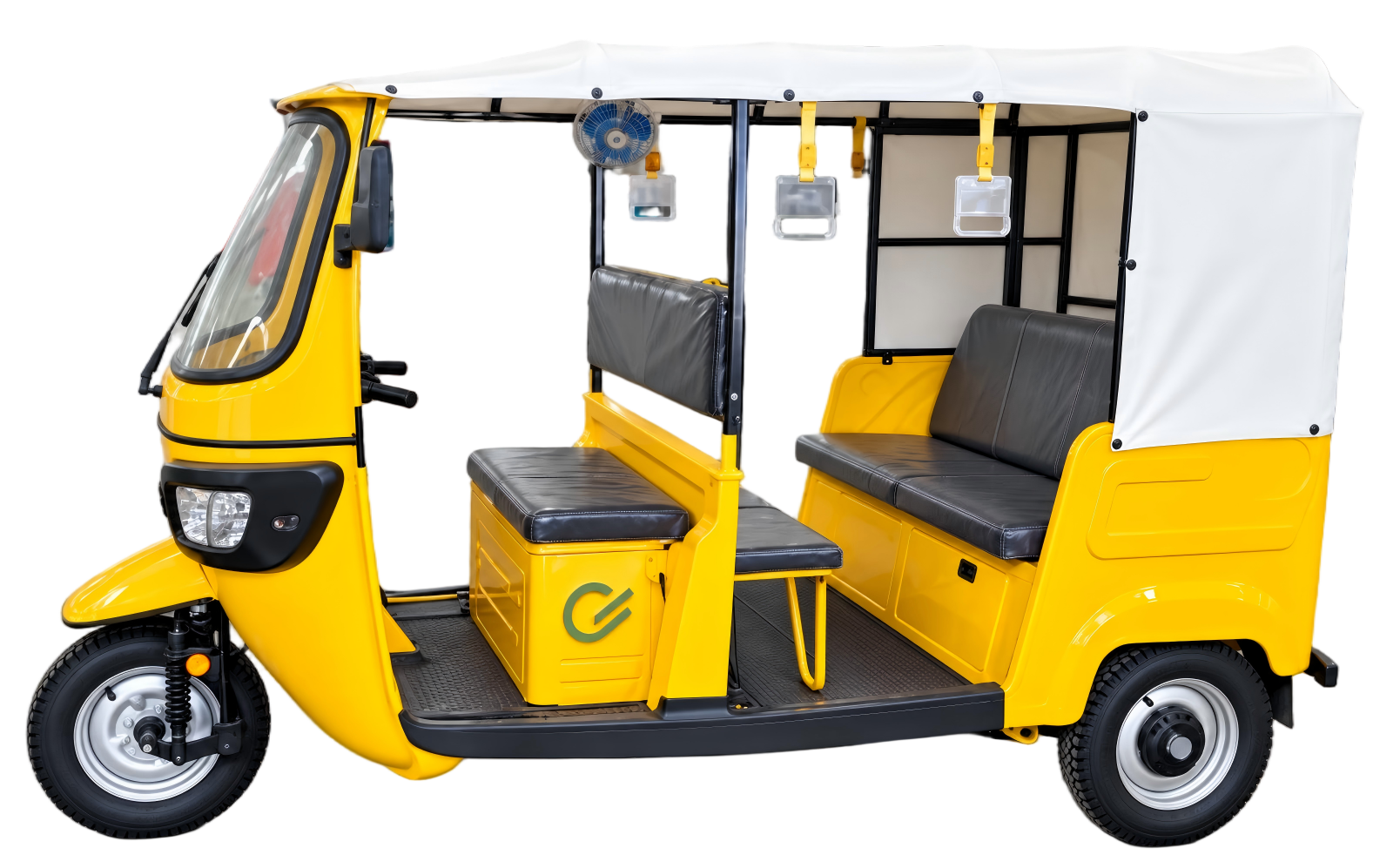
Use these confirmed product pages to compare visible specifications. Final configuration remains subject to route, market and order requirements.